Reimagine Your Outdoor Setting: Seasoned Landscaping Services Formatted for Your Home
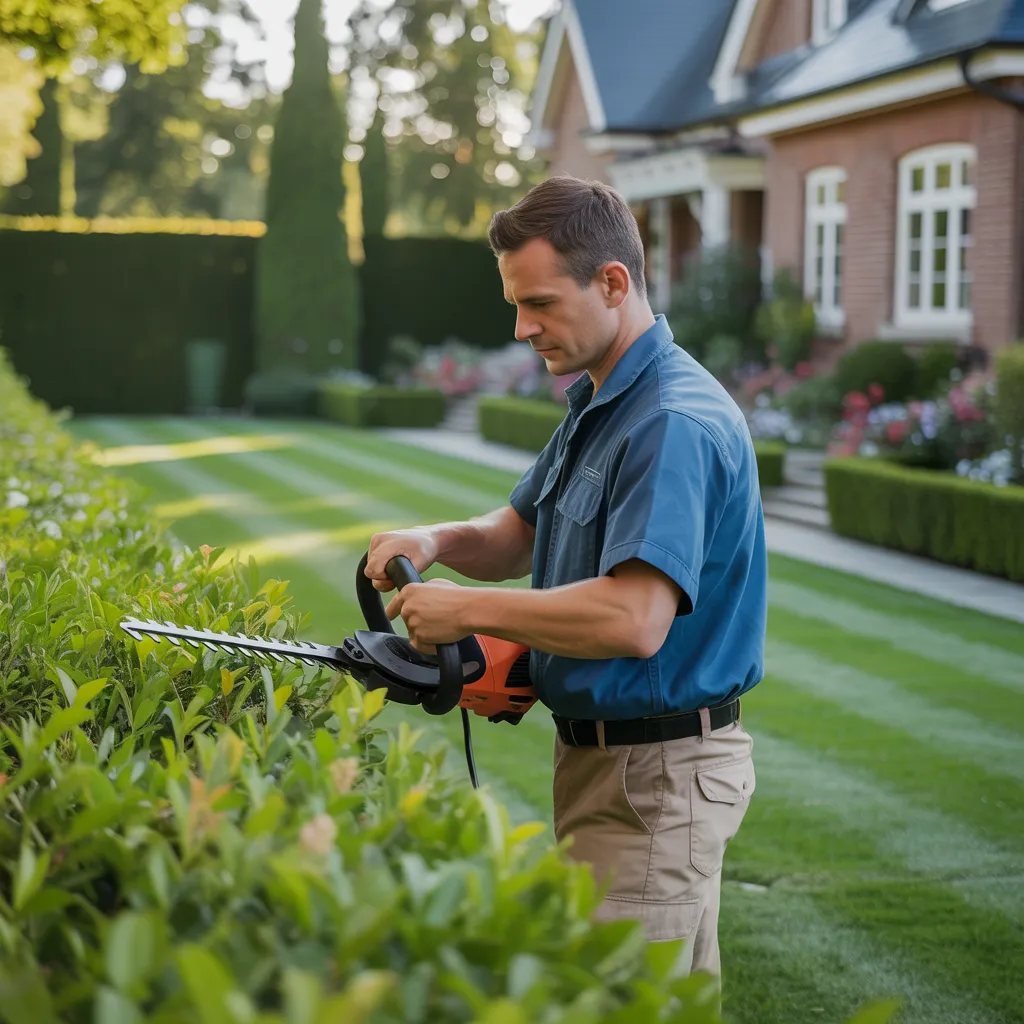
Improving an outdoor space can significantly influence a home’s overall appeal and functionality. Expert landscaping services offer in-depth expertise in design, plant selection, and eco-conscious methods. These professionals can mix modern trends and hardscaping features to design a custom environment. However, the process includes more than aesthetics. Understanding the full scope of benefits and considerations can result in a more informed decision. What should homeowners give priority to when embarking on the project?
Top Advantages of Engaging Expert Landscapers
When evaluating yard improvements, many property owners find that hiring professional landscapers provides significant benefits. These experts bring an abundance of knowledge and background that can convert a yard into a cohesive, visually appealing space. First, they have a deep understanding of local climate and soil conditions, allowing them to select the most appropriate plants and supplies. This ensures durability and vigor in the landscape design.
Additionally, seasoned landscapers can skillfully perform detailed designs that may baffle an inexperienced homeowner. They have access to specialized tools and equipment, which can speed up the process and reduce the risk of injury. Furthermore, they can offer valuable advice on sustainable practices and maintenance, helping homeowners maintain environmentally friendly spaces. Ultimately, by investing in professional landscaping services, homeowners can boost property value and design outdoor areas that mirror their personal style while guaranteeing functional and sustainable designs.
Leading Landscaping Trends Worth Your Attention
As yard design advances, various trends are becoming prevalent among homeowners and professionals alike. Sustainable landscape practices, vertical gardening solutions, and the adoption of native plants are changing outdoor spaces while fostering environmental health. Comprehending these trending practices can inspire inventive concepts and elevate the visual appeal of any landscape.
Green Landscape Approaches
In recent times, sustainable garden practices have gained marked traction, indicating a growing awareness of environmental concerns. Homeowners are prioritizing eco-friendly designs that reduce water use and enhance biodiversity. Native plants typically require less maintenance and provide habitats for local wildlife. The use of permeable paving materials helps decrease runoff and aid groundwater recharge. Rain gardens remain a popular option, capturing stormwater while filtering pollutants. Composting organic waste into mulch enriches the soil and lessens landfill input. Additionally, integrating sustainable irrigation solutions like drip irrigation conserves water and keeps landscapes thriving. Overall, these methods not only improve outdoor appearance but also support a positive environmental impact, matching modern ecological values.
Vertical Growing Strategies
The expansion of sustainable landscape practices has created the way for innovative design solutions, such as vertical gardening. This method enables homeowners to maximize limited space, converting walls and fences into lush green canvases. Vertical gardens not only enhance aesthetic appeal but also contribute to improved air quality and biodiversity. With multiple options available, such as modular panels and hydroponic setups, homeowners can choose options that align with their specific needs and environmental conditions. These gardens can accommodate a wide range of plants, from ornamental flowers to edible herbs, making them versatile and functional. As urban living continues to grow, vertical gardening becomes a practical trend that merges beauty with sustainability, allowing for a greener, more vibrant outdoor space.
Native Species Picking
An growing amount of homeowners are embracing indigenous plant choices as a important trend in landscaping. This method focuses on incorporating plants that are native to the regional environment, encouraging biodiversity and sustainability. Native plants require less water and little maintenance, making them a practical option for environmentally aware homeowners. Additionally, they attract local wildlife, such as pollinators and birds, improving the ecological system. Experts recommend researching regional flora to choose species that thrive in specific conditions, ensuring a lively and robust landscape. By integrating native plants, homeowners can develop attractive exterior spaces that reflect their local history while supporting ecological preservation. This phenomenon not only improves visual appeal but also cultivates a deeper connection with the natural world.
Integrating Trends Into Your Outdoor Area
Integrating current trends into landscape design can amplify both aesthetics and functionality. Sustainable landscaping practices highlight environmental health, while innovative hardscape designs offer innovative solutions for outdoor spaces. Together, these approaches create appealing and eco-friendly landscapes that speak with modern standards.
Environmental Garden Solutions
How can homeowners build outdoor spaces that are both appealing and environmentally responsible? Sustainable landscaping practices provide a useful solution. By using native plants, homeowners can reduce water usage and foster local biodiversity. Employing organic gardening techniques decreases chemical inputs, creating healthier ecosystems. Rain gardens and permeable paving can control stormwater runoff, improving both functionality and aesthetics. Utilizing compost and mulching enhances soil health while reducing waste. Additionally, integrating efficient irrigation systems conserves water while maintaining plant health. Homeowners can also embrace xeriscaping to design attractive landscapes that survive in arid conditions. These practices not only enhance the beauty of outdoor spaces but also discover more help the environment, reflecting a commitment to sustainability in landscaping design.
Modern Hardscaping Features
What characteristics define modern hardscaping in contemporary outdoor design? This method highlights clean lines, geometric shapes, and a blend of materials that establish functional outdoor spaces. Key features often include concrete pavers, natural stone, and wood elements, which are used to craft patios, walkways, and retaining walls. Additionally, modern hardscaping seamlessly integrates outdoor living spaces, such as fire pits and outdoor kitchens, into the landscape. Water features, like minimalist ponds or fountains, further enhance the aesthetic while promoting tranquility. The use of sustainable materials and permeable surfaces reflects a growing trend towards eco-friendliness. Ultimately, modern hardscaping emphasizes both form and function, creating inviting environments that harmonize with nature and elevate outdoor experiences.
Finding the Best Landscaping Options
It is also important to check credentials, including certifications and coverage, to guarantee compliance with local regulations. Clients should look for companies that offer tailored services suited to their specific wants and needs. Engaging in a thorough discussion facilitates open dialogue of ideas and expectations.
To summarize, acquiring extensive quotes from several providers can benefit in making sensible monetary choices. By attentively assessing these elements, property owners can determine grounds design services that not only accomplish their aspirations but also strengthen the total worth of their dwelling.
Straightforward Care Advice for Your Outdoor Paradise
Establishing a stunning outdoor oasis requires perpetual maintenance, but introducing a few uncomplicated solutions can make the process trouble-free. Systematically planned tasks, such as watering early in the morning or late in the evening, help conserve moisture and avert evaporation. Mulching around plants not only keeps soil moisture but also blocks weeds, lowering the need for constant maintenance.
Planting local flora can further minimize maintenance needs, as they are suited for local conditions and demand reduced watering and care. Establishing a routine for pruning and deadheading guarantees plants remain healthy and visually appealing.
Ultimately, investing in a reliable watering infrastructure can save time and secure balanced hydration. By observing these hassle-free maintenance tips, occupants can savor their garden haven while keeping it vibrant and inviting without significant labor.
Determining Your Landscaping Costs
Calculating landscaping expenses can be a vital step in upgrading an outdoor area. Homeowners should first evaluate their specific needs and objectives, which may fluctuate significantly based on the intended features such as gardens, patios, or water features. Then, gathering several quotes from well-regarded landscaping experts is crucial; this ensures a practical budget while allowing comparisons of services offered.
Materials, labor, and design intricacy greatly affect overall costs. For example, premium plants and hardscaping materials can elevate expenses, while simpler designs may keep costs manageable. Additionally, ongoing maintenance costs should not be overlooked, as they can impact long-term budgeting.
Ultimately, it is judicious to create a reserve fund for surprise expenditures that may take place during the project. By thoughtfully budgeting costs and organizing plans, homeowners can realize their dream outdoor space without financial strain.
Popular Questions Posed by Users
What Timeframe is Required for a Common Landscaping Undertaking to be Done?
A common landscape work typically takes between one week to several months to finish, contingent on the project's intricacy and scale. Aspects such as weather, design challenges, and material availability can also impact the timeline.
Can Landscaping Services Provide Solutions For Water Management Problems?
Yes, outdoor maintenance services can competently tackle water management problems. Specialists assess the landscape, apply approaches like ground grading, water management systems, and proper plant selection, making sure water circulates sufficiently and decreases soil erosion or flooding in landscaped areas.
What Ought to I Think About Before Hiring a Landscaper?
Prior to hiring a landscaper, you should evaluate your budget, the landscaper's experience, portfolio, references, design style, timelines, and understanding of local codes. Transparent communication of expectations will guarantee a successful landscaping project.
Do eco-friendly outdoor design solutions available?
Absolutely, green landscaping options are on hand. These incorporate regional flora, water-efficient landscaping, organic fertilizers, stormwater gardens, and pervious pavement, all intended to foster environmental stewardship while enhancing visual beauty and nurturing local wildlife and ecosystems.
How Frequently Should I Plan Maintenance for My Landscaping?
Regular maintenance for landscaping should be scheduled every four to six weeks during the growing season. This guarantees ideal health and appearance, enabling plants to flourish while preventing excessive growth and maintaining overall landscaped beauty.